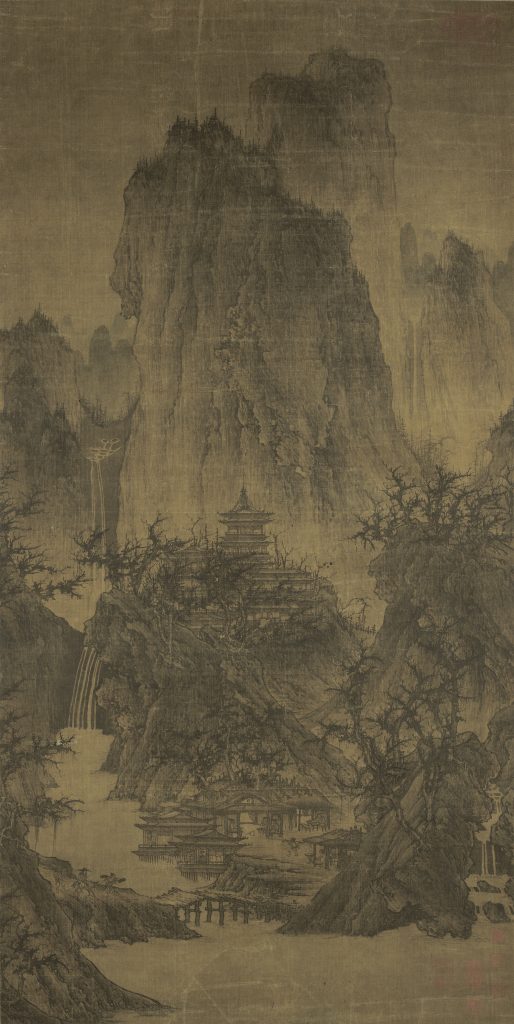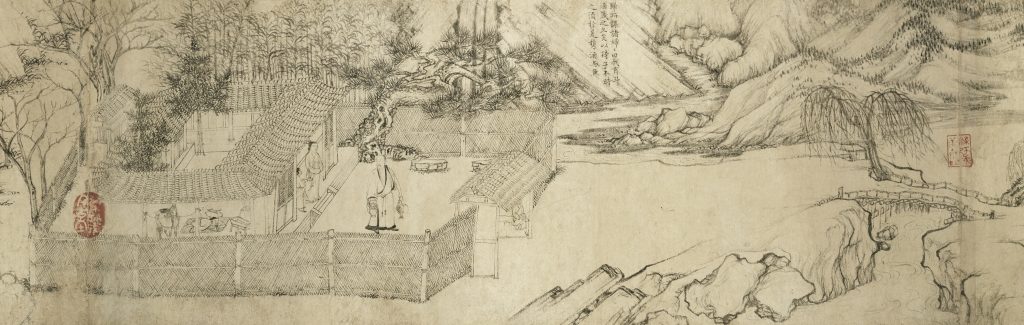
Deep ties between the natural world and spiritual practice have nourished the significant role of shanshui (mountain and water, “landscape”) in Chinese art for thousands of years. This role reached a new height of artistic importance during the Song dynasty (960–1279 C.E.), when imperial collectors encouraged the creation of innovative landscape paintings. This exhibition brings legendary landscapes into focus, presenting an exceptional opportunity to view world treasures in the museum’s collection.
These paintings embody the profound connections between humans, the natural world, and the greater cosmos. Through the eyes of people who traverse the landscapes, we see each painting as a microcosm of the universe presented through multiple visual perspectives. In turn, the order and completeness of Song dynasty landscapes align with the ideals of an enlightened and benevolent empire.
The museum’s rich collection extends from the Northern Song period (960–1127) to the Southern Song (1127–1279), when political conflict forced the court to relocate from the chilly north to the warmer south. The paintings’ distinctive terrains and shifting moods reflect the change in the environment. Illustrating personal journeys in nature, they encourage self-reflection and contemplation.
Organized by The Nelson-Atkins Museum of Art. This exhibition is generously supported by the Lilly Endowment Inc.
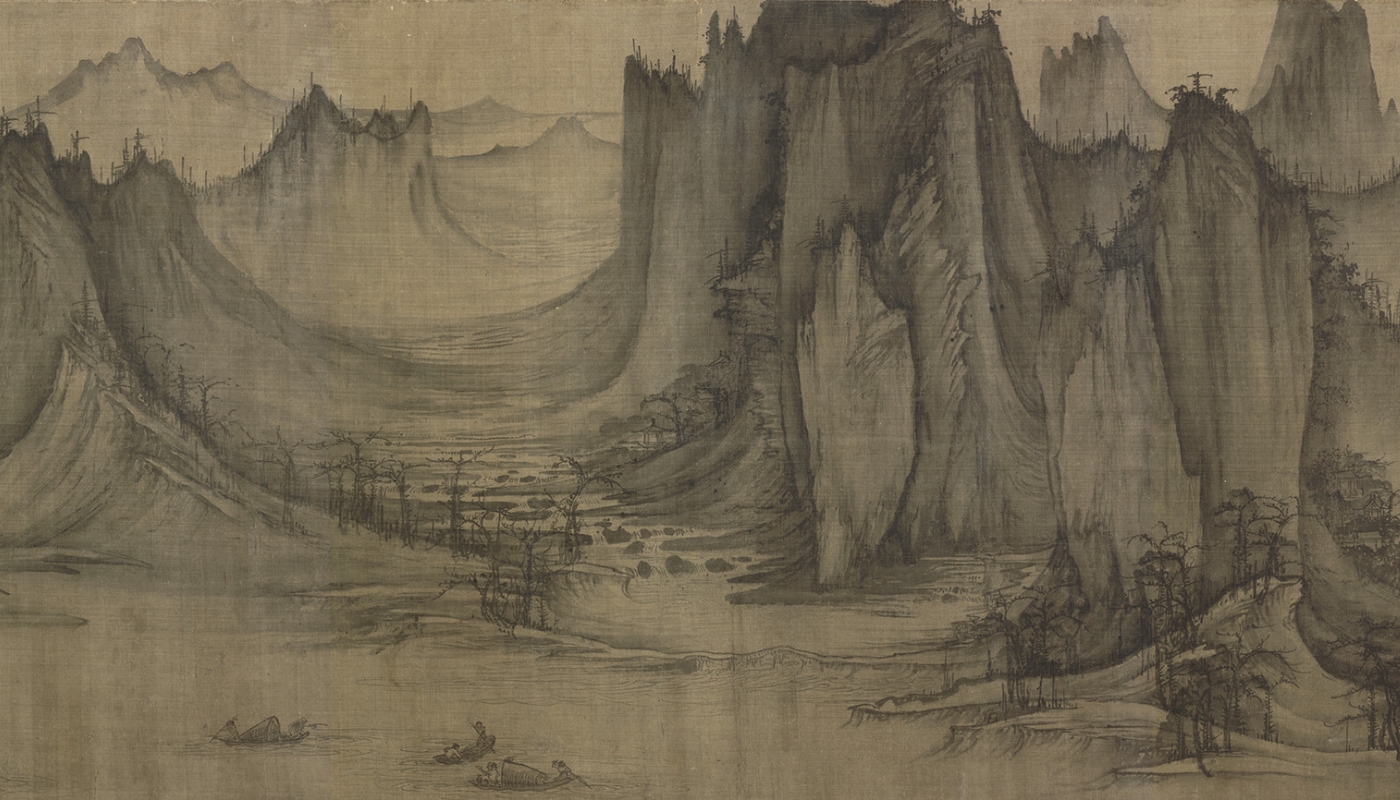
Header image: Xu Daoning, Chinese (970–1052). Fishermen’s Evening Song, ca. 1039–1052. Handscroll ink and slight color on silk, 19 1/4 × 88 1/2 inches (48.9 × 224.79 cm). The Nelson-Atkins Museum of Art, Purchase: William Rockhill Nelson Trust, 33-1559.
Upcoming programs
.